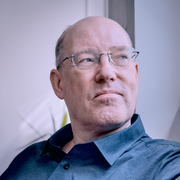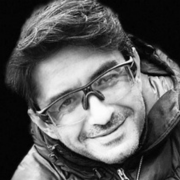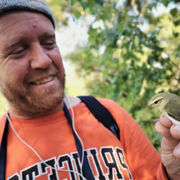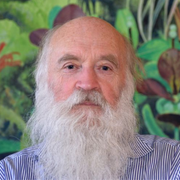
People
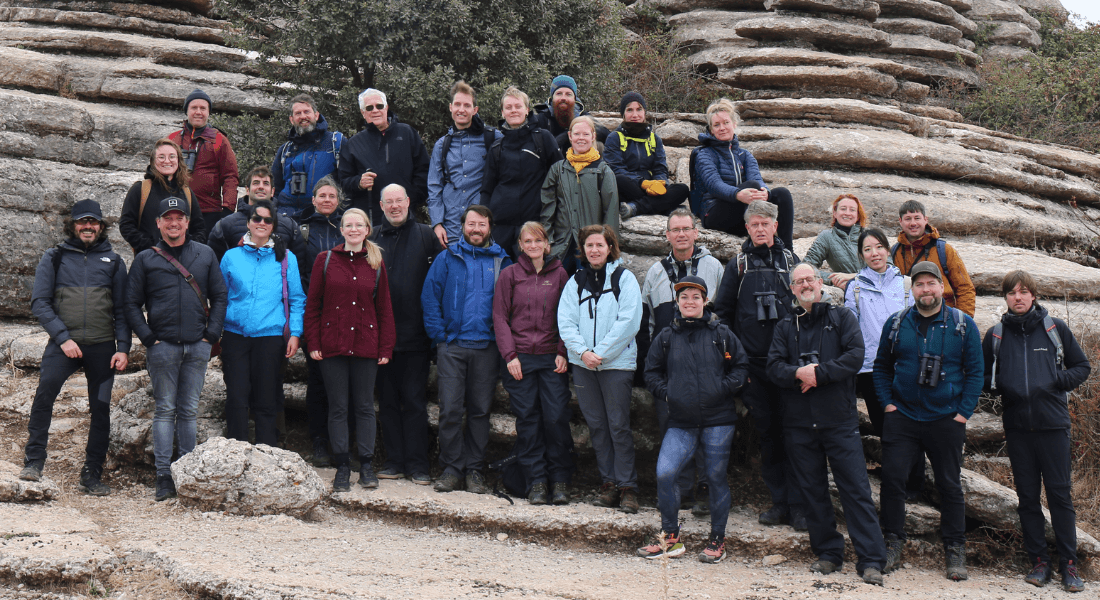
List of researchers, students, and staff currently working in the center. Scrolling down below the overview, you will, on this page, find short descriptions of research interests and pictures of people.
At the bottom you will find a list of the international and national research collaborators of the center.
| Faculty and Senior Members | |||
![]() | Carsten Rahbek I direct CMEC and have an active interest in all its activities. My main personal research interests are patterns of species distribution, species range sizes, species assemblages, species richness and what determines such patterns (contemporary and historical factors or perhaps also just a bit of chance). Recent focus has been on the role of scale and conceptual formulation and practical design of null- and predictive models that allow direct testing of hypotheses related to patterns of diversity. The natural "other side" of my research relates how evolutionary and ecographical principles can be used to identify robust priorities for conservation of biodiversity. Email: crahbek@bio.ku.dk | ||
![]() | Miguel B. Araujo My research is focused around three broad questions: why do species occur where they do? What processes drive speciation, persistence and extinction of species at varying spatial and temporal scales? How do processes operating at the individual-species level scale up to large ensembles of species and species richness? I have also a strong interest in the application of biogeographical principles, theories, and analyses to problems concerning the conservation of biodiversity at macroecological scales. Email: mbaraujo@bio.ku.dk | ||
![]() | Neil David Burgess My current research interests are related to the interface between science and pratical conservation action, either on the ground in terms of reserve management or community engagment, or within international proceses such as the propgramme of work on protected areas in the CBD and the whole issue of forest carbon and the implementation of REDD within the UNFCCC. As such I work on collaboration projects with NGOs (WWF, BirdLife, Conservation International, IUCN), Governments (Tanzania) and UN agencies (UNEP-WCMC and UNDP GEF and UN REDD). Email: ndburgess@bio.ku.dk | ||
![]() | Jon Fjeldså Field of expertease broad, comprising evolution, biogeography and taxonomy of birds. Current research has focus on the tropical Andes region of South America and eastern Africa, and global evolution of passerine birds, which comprise more than half of all birds. Mode of speciation and historical and ecological factors affecting the regional patterns of endemism and species richness. This is developed through traditional biogeographical methods supplemented with DNA-based studies of species-rich groups (in collaboration with other institutes) and comprehensive distributional databases (with external collaboration concerning GIS and remotely sensed environmental parameters). Conservation priority analysis (with links to institutions studying human use of natural resources). The broader field of interest includes art and illustration of books in the fields of ornithology and conservation. Email: jfjeldsaa@snm.ku.dk | ||
![]() | Henrik Glenner My research interest can be divided in 3 major points. 1) Lifecycle studies of barnacles and related crustacean groups have constituted a major part of my research activities. 2) Invasive species in the marine environment in Norway and other places. In the recent years I have been studying the population dynamic and genetics of two invasive marine crab species and their most prominent parasite, a parasitic barnacle or rhizocephalan, which as adult castrates their crab hosts. And 3) I am interested in how to construct the most reliable phylogeny by the use of data from diverse data like dna, fossils and morphological and geographical sources. Email: Henrik.Glenner@bio.uib.no | ||
![]() | Gary Graves I am interested primarily in the evolution, ecology, and biogeography of birds. My current interests focus on the application of null models to multi-scale patterns of species diversity, the evolutionary consequences of hybridization, and the ecology and evolution of wood warblers. I am conducting long-term field studies in the Great Dismal Swamp and in the Appalachian Mountains of eastern North America. Email: gravesg@si.edu | ||
![]() | Brian MacKenzie My research interest are the effects of climate variability on fish populations and marine ecosystems. Larval/juvenile fish ecology. Long-term changes in populations and ecosystems. Historical marine ecology Professor MacKenzie holds a permanent position at DTU aqua, National Institute of Aquatic resources. Email: brm@aqua.dtu.dk | ||
![]() | Katherine Richardson My research deals with the identification and quantification of factors influencing the flow of energy and material (especially carbon and nitrogen) in pelagic ecosystems. Most of my research has been on marine plankton (primarily phytoplankton). However, I have also studied higher trophic levels such as fish (both larvae and adults) and even harbour porpoises. Specifically, I concentrate on the climatic control of marine ecological processes, including predicting the influence of climate change on aquatic productivity, quantifying the role of biological processes in ocean uptake of atmospheric CO2, how changes in ocean conditions influence the strength of the biological pump and the effect of physical/chemical conditions on biodiversity and size distribution of phytoplankton. Email: kari@science.ku.dk See CV | ||
![]() | Niels Strange I direct the European Erasmus Mundus Master Course in Sustainable Forest and Nature Management (www.sufonama.net). My main personal research interests focus on environmental planning and economics under uncertainty. In particular on climate change and environmental effects. I am also involved in a number of research projects concerning payments for environmental services, landowner behaviour and contract design, multi-criteria analysis, environmental economics, spatial planning under risk of calamities, and agent-based modelling. In my research and teaching career I have strived to mix my competences within quantitative as well as qualitative methods. Email: nst@life.ku.dk | ||
![]() | Bo Jellesmark Thorsen I am Professor in Applied Economics of Forest and Landscape and Head of the Division of Economics, Policy and Management Planning. My research interests are quite broad. A considerable part of my research has focused on uncertainty and decision making in forest and natural resource settings. I am also interested in the environmental economics of forest and landscape. I also teach in various courses at KU-LIFE - mainly as a co-teacher, and I act as supervisor for a number of PhD-students and MSc-thesis students. Email: bjt@life.ku.dk | ||
![]() | Robert J. Whittaker Rob Whittaker is appointed by the Dean of the faculty of Science to an Honorary Professorship in Macroecology and Climate at the Department of Biology from July 2008 for a five year term. He is Professor at the University of Oxford, where he is a founding member of the School of Geography and the Environment's Biodiversity research cluster. His research interests span diverse themes within ecological biogeography and ecology, including: conservation biogeography, spatial scale, species diversity theory, climatic controls on species richness, species richness-productivity relationships, macroecology, and island biogeography. He is also an authority on the ecology of the Krakatau Islands, Indonesia, which provide a classic case study of ecosystem recovery in the tropics involving studies of both forest dynamics and island biogeography and their inter-relationships. | ||
![]() | Henning Adsersen Current Research: Island biogeography, ecology and biodiversity. Special interests: Invasibility of (island) ecosystems, invasivity of plants and animals, evolutionary traits on islands, distribution patterns, conservation aspects, succession and vegetation dynamics, species turnover, vegetation analysis. The research focuses on the Galápagos Islands, the Mascarenes and Danish habitat islands. Email: adser@bio.ku.dk | ||
![]() | Jørgen Bendtsen My research field is on ocean circulation and and the role of the ocean in the climate system. I have studied the interaction between physical transports in the ocean, i.e. mixing and advection of substances and plankton, and the biogeochemical cycling of carbon, oxygen and nutrients. I am involved in studies of the biological uptake of CO2 and the remineralisation of organic carbon and the influence from this, socalled "biological pump", influences the CO2-uptake in the ocean. Global and regional ocean circulation models are applied in these studies. I am the holder of VitusLab, a reseach and consultancy company on ocean and climate dynamics. Email: jb@vituslab.dk | ||
![]() | Hans Henrik Bruun My research is focussed on community assembly and species richness, more specifically: environmental control (productivity, disturbance) vs. neutral effects, species pool effects, relationships of diversity to invasibility and to productivity and community phylogenetics. My interests, however, cover a wide range of related topics, such as demography, reproductive allometry, seed dispersal processes, niche conservatism, habitat specialization, historical landscape ecology, conservation and restoration. I have done my research in temperate, alpine and arctic plant communities. A main theme in my current research is what we can learn about communities and about migration and colonization processes from studying invasive species. We study the Japanese rose (Rosa rugosa) in its native Asian range and in Europe. I entered the CME on August 1, 2009. Email: hhbruun@bio.ku.dk | ||
![]() | Thomas Hedemark Lundhede At the Danish Centre for Forest and Landscape I primarily work with the socioeconomic aspects of biodiversity. Like any other natural resource biodiversity is managed within limited economical means. Therefore I focus on how societys objectives of protecting biodiversity are best and economically efficient accomplished. Among other things this involves revealing societys preferences for different species by means of non-market valuation techniques and econometric modelling. Email: Thlu@life.ku.dk | ||
![]() | David Nogués-Bravo My research aimed at unveiling the drivers of biological diversity for a better understanding the future impacts of Global Change on biodiversity. I´m specifically assessing the causes of Late Quaternary Extinctions (humans and climate change) integrating genomics, phylogeography and niche modeling. This is also an excellent playground to improve niche modeling and getting better predictions of future extinctions when climate change and humans come together. Email: dnogues@bio.ku.dk | ||
![]() | Nikolaj Scharff Phylogeny and comparative morphology of spiders in general. Phylogeny and taxonomy of the spider superfamily Orbicularia in particular. Historical biogeography of the spider fauna of the Southern Hemisphere, and in particular the Afromontane spider fauna. Species richness estimations of spiders in tropical ecosystems. Functional morphology of spider genitalia. Email: nscharff@snm.ku.dk | ||
![]() | Kasper Thorup My primary research interests are within ornithology with a focus on bird migration, especially the orientation systems of long-distance migrants, but also including animal orientation and radio tracking in general. Other primary research interests include all aspects of the distribution, evolution and ecology of birds. Overall research themes: Bird Migration: Migration routes; Climate change effects; Monitoring; Spread of bird-borne diseases. Navigation: Navigation and orientation, the migratory orientation programme. Conservation: Rare Danish breeding birds, Environmental impact assessment. Email: kthorup@snm.ku.dk | ||
![]() | Anders P. Tøttrup My main research interests are within Ornithology with a specific focus on studying migratory birds throughout their annual cycle as well as Conservation and nature management in general. My main objective is to clarify consequences of different aspects of global climate and different nature management strategies to improve our understanding and ultimately develop knowledge-based conservation initiatives. I am also very interested in long-term changes at spatiotemporal scales driven by e.g. global change studying phenology and mortality as well as intra- and inter-specific interactions. Email: aptottrup@bio.ku.dk | ||
| Assistant Professors | |||
![]() | Katharine Ann Marske I am broadly interested in comparative phylogeography, both as a stand-alone approach to investigate the evolution of a particular community, and integrated with other ecological and evolutionary methods. Currently, I am investigating ways to link phylogeography with macroecology to provide insights into the relative roles of history, environment and dispersal limitation in determining community composition. My research also combines phylogeography with species distribution models to detect historical range shifts and clarify the link between climate change, extinction and other potential responses to contemporary climate change. Email: KAMarske@bio.ku.dk See CV | ||
![]() | Zhiheng Wang I am interested in all issues of macroecology, especially the causes of the geographical patterns of biodiversity, range size and body size, and the responses of species to climate change. My work in the last several years was mainly focused on the compilation of Database of Chinas Woody Plants, and the geographical patterns of plant diversity in eastern Asia and North America. My current research combines phylogeography with macroecology to explore how climate and species evolution collectively determine local and regional species diversity, and how future climate change influences species distribution. Email: zwang@bio.ku.dk | ||
| Postdoctoral Researchers | |||
Michael Krabbe Borregaard My research interests are broad and include patterns of distribution and abundance of both plants and animals, with special emphasis on practical applications in relation to conservation and biodiversity monitoring; more generally, I am keenly interested in the influence of natural history and small-scale processes on broader ecological patterns. I am currently working with the relationship between distribution and abundance of organisms, with special emphasis on the assemblage of Danish breeding birds. Email: mkborregaard@bio.ku.dk See CV | |||
![]() | Martin Dallimer My current research is centred on using economic valuation techniques to determine whether people's preferences for biodiversity and ecosystem service provision varies across international boundaries and, if so, why. More broadly, I am interested in applying and integrating research techniques from across different disciplines to better understand ecological processes, and inform biodiversity conservation, in a human-dominated world. My work to date has focussed on land-use change/management (e.g. small islands, urbanisation, upland agro-ecosystems), avian and lepidopteran migratory systems (e.g. red-billed quelea) and human-wildlife interactions (e.g. quantifying psychological wellbeing responses to greenspaces and biodiversity). Email: mada@life.ku.dk | ||
![]() | Bo Dalsgaard I have a wide interest in evolutionary ecology, biogeography and conservation. I am especially interested in spatial patterns of biotic interaction networks, biodiversity and human linguistic diversity, and how this may interrelate. A main aim is to determine how species interactions and diversity may be influenced by contemporary and historical climate. Most of my work focuses on hummingbird-plant interactions in the New World, mainly in the West Indies and the Atlantic Forest in Brazil. However, I also work with other systems, such as island biogeography of birds in Wallacea and the West Indies and the global congruence of biological and human linguistic diversity. Email: bo.dalsgaard@bio.ku.dk | ||
![]() | Martin Hartvig I have a wide interest in community and food web ecology at different spatial and temporal scales. I am particularly interested in how communities are assembled, and how they loose species and reconfigure when exposed to invasions and/or environmental changes. My work includes both theoretical and data-driven approaches; hopefully these two ends will benefit from each other and synthesise the field. Currently I work on predicting future species distributions in the North Atlantic ecosystems when both the environment and prey distributions are changing. Email: martin.hartvig@bio.ku.dk | ||
![]() | Jacob Heilmann-Clausen My main research interests are related to forest biodiversity and its conservation. I am especially interested in the links between landscape history, disturbance dynamics and habitat diversity on one side, and the diversity of fungi, vascular plants and epiphytes on the other. The more normative aspects of Conservation Biology is another key interest, and I consider the question: "why conserve nature" to be far from trivial. In particular, I am interested in exploring and possibly bridging the typical conceptual gap in how "good nature" is appreciated among landowners, conservationists and the broader population. Finally, I have a special devotion to fungi, and are working part-time in the Danish basidiomycete mapping project. Email: jheilmann-clausen@bio.ku.dk | ||
![]() | Martin Reinhardt Nielsen My primary research interest is hunting, ranging from bushmeat hunting in developing countries to Inuit communities traditional hunting in the Arctic. My research focus on assessing the socioeconomic and cultural drivers and the ecological impacts of hunting. This in order to examining the efficiency of management approaches and their implications for hunters livelihoods and traditional cultures and to assist in developing targeted mitigation policies. Recent projects include: evaluating the outcome of Joint Forest Management in Tanzania in relation to the policy objectives conservation, improves local livelihoods and promotion of good governance using bushmeat hunting as an indicator; investigating the production and communication of information in locally-based monitoring initiatives in relation to the local political reality and stakeholders strategic interests; and assessing the ecological justification and cultural implications of narwhal hunting management regulations in Greenland. Current projects include examining the relations between poverty and forest use in the Democratic Republic of Congo and building knowledge for regulating illegal bushmeat markets in Tanzania. Email: mrni@life.ku.dk | ||
![]() | Christian Mac Ørum Rasmussen I am particularly interested in biodiversity hotspots and the causes to mass extinction events. What drives these fundamental parameters that are crucial for the evolution of life on Earth? I particularly focus on the interplay between geology and biodiversity. I come from a background as palaeontologist, where I have studied biodiversity aspects in deep time. More specifically, I have focused on the Ordovician-Silurian periods (~460-417 million years ago), where I have studied the taxonomy, ecology, biogeography and stratigraphy of brachiopod faunas from various localities around the world, including Alaska, Chile, North Greenland, Russia and Scandinavia. Email: Christian@snm.ku.dk | ||
![]() | Anna-Sofie Steensgaard The aim of my research is to gain a better understanding of the underlying principles that drive the spatio-temporal patterns of infectious diseases. I am particularly interested in human parasitic infections that require a vector or secondary host species to completely their life cycles. I am interested in combining conceptual and theoretical approaches ranging from classical macroecology, disease ecology and host-pathogen evolutionary ecology. In my current research I follow a multi-scale, multi-species approach, were individual pathogens are investigated in the context of co-existing host-pathogen systems and their spatial-environmental realities. I use Bayesian geostatistical mapping and ecological niche modeling to assess the relative roles of biotic and abiotic factors in driving the spatial variation in single and co-endemic snail- and mosquito borne parasitic infection patterns in Africa and South-America. Email: asstensgaard@bio.ku.dk | ||
| PhD Students | |||
Fatemeh Bakhtiari Using environmental economics for guiding biodiversity conservation and management is my main interest. The PhD project, which is carried out in a collaboration between University of Copenhagen and Bangor University (UK), has three main parts: The first part analyzes the trade-offs between utilization and protection of forest goods and eco-system services. The value of ecosystem services and non-timber products plays an increasing role in decision making. This requires the development of robust valuation methods. The project aims at improving the choice experiment valuation method applying qualitative analysis and psychometrics to develop a more valid questionnaire design. In the second part of the project I will apply the choice experiment in a number of countries to investigate the importance of attributes in a geopolitical setting on the estimated value of biodiversity. The last part of the project investigates the potentials of transnational coordination of biodiversity conservation applying the results from the choice experiment. I am interested in understanding the implications of taking the objective of a social planner and the resulting distribution of conservation effort across countries. Email: fba@life.ku.dk | |||
![]() | Raquel A. Garcia The focus of my PhD is on the effects of climate change on the patterns of vertebrate species diversity in sub-Saharan Africa. I am using bioclimatic envelope models to forecast potential shifts in climatically suitable space for species of birds, mammals, amphibians and snakes. The modelling will be complemented by exploratory approaches using climatic data for the un-modelled (range-restricted) species. The aim of this macro-scale analysis is to identify potential high-priority biogeographical realms for species persistence, or climate change refugia. While the results will reflect the exposure of species to climatic changes, I am also interested in exploring the species sensitivity given by biological traits. I am supervised by Miguel B. Araújo and Mar Cabeza. Most of my work is done at the Integrative Biology and Global Change Group at the National Natural Sciences Museum in Madrid (Spain), in collaboration with the Centre for Macroecology, Climate and Evolution and the Rui Nabeiro Biodiversity Chair at Évora University (Portugal). My research is also co-hosted by the South African National Biodiversity Institute, where I intend to use the macro-scale results to explore the implications of climatic changes for conservation planning at a finer scale. Email: raquel.garcia@mncn.csic.es | ||
![]() | Jonas Geldmann My primary research interest is in conservation biology, looking at the relationship between management effectiveness and conservation outcomes. The main focus of my PhD work, is addressing how different parameters of protected area management affect biodiversity indicators, to evaluate present conservation strategies and improve future ones. I am especially interested in South and Latin America tropical forests but also more overall conservation efforts to preserve biodiversity though Strategic Conservation Planning and selection criteria for protected areas. I collaborate with Oxford University and UNEP-WCMC using the Protected Area Management Effectiveness information module. Email: jgeldmann@bio.ku.dk See CV | ||
![]() | Rasmus Gren Havmøller My research interest lies within population genetics, ecology, biodiversity, zoology and conservation biology more specifically within cryptic and endagered species. My PhD involves abundance, ecology and genetics of leopards (Panthera pardus) in the Udzungwa Mountains, part of the Eastern Arc, in Tanzania. The Udzungwa Mountains consists of a variety of tropical forest, ranging from lowland rainforest to monetane forest, and lies directly adjacent to the savannah-woodlands of the Selous Game Reserve. The main question is if leopards move between the two highly different habitats, how abundant they are in the forests and if they are genetically distinct. This will be done through camera-trapping and collection of scat and hair samples for genetic analysis. Additionally I will also be reviewing the sub-genus classification of African leopards, which currently classify all African leopards as a single subspecies across the entire continent. This is to aid the development of better conservations management strategies of the species. As I worked with Sumatran rhinos (Dicerorhinus sumatrensis) for my BSc thesis and Northern bottlenose whales (Hyperoodon ampullatus) for my MSc thesis I continue have interests within this line of work as well. Email: rasmushav@gmail.com | ||
![]() | Soladoye Babatola Iwajomo My research interests are within conservation and ornithology. The focus of my PhD is the Palearctic-African Bird migration. I am analyzing long term autumn migration data from Ottenby Bird Observatory, Sweden to investigate trends in population, phenology and migration strategies of some bird species wintering in sub-Saharan Africa. In addition to using radio transmitters to study the spatial behaviour of the Garden warbler on its non-breeding ground, I am also employing the use of geolocators and light-weight satellite transmitters to study the between-season movements of two intra-African migrants; Carmine Bee-eater and African Cuckoo respectively. My previous experience includes avian influenza surveillance among wild birds and community-based conservation education. Email: iwajom@yahoo.com | ||
![]() | Peter Søgaard Jørgensen My research deals with eco-evolutionary population response to past and current environmental change. The overall goal of my PhD is to describe macroecological (i.e. general) patterns within this field. I do this focusing on bird communities in Eastern Africa, Europe and North America: In the bird populations of the Eastern Arc Mountains in Eastern Africa, I work on the question of how environmental change in the past, from deep historic to very recent events, helps shape current genetic and phenotypic make-up. I investigate responses in population abundance to ongoing land use and climate change using two major Breeding Bird Surveys in Europe and North America. These unique citizen science datasets provide time series extending 30-40 years back. Here I concentrate on how systematic variation in population response may vary on population and species level traits. For more on my research, including projects within applied evolutionary biology and the International Network of Next-Generation Ecologists. Please see my regularly updated website Marcoecology of environmental change. Email: PSJorgensen@bio.ku.dk | ||
![]() | Andreas Kelager I study the impact of species trophic interactions on their distribution under climate change using a myrmecophilic butterfly the Alcon Blue (Maculinea alcon) and its two different host species, the Marsh Gentian (Gentiana pneumonanthe) and various Red Ant species (Myrmica spp.) as a model system. Im focused on integrating biological relevant parameters in species distribution modelling under current and projected future climate in Europe. The project will involve large-scale and coarse grained modelling of potential ranges of species in an obligate parasitic interaction system. In addition, more detailed fine-grain investigations on the system will be undertaken, including habitat suitability modelling and incorporating population genetic information in the models. The study will also include work on the species habitat requirements in northern Europe focusing on conservation and restoration within Denmark. Email: akelager@bio.ku.dk | ||
![]() | Jonathan Kennedy One of the most well documented and historically recognised patterns in ecology is that clades vary greatly in terms of their overall species richness. My main research interest is to understand the ultimate causes of these diversity patterns both within and among geographic regions, primarily through the study of birds. While the underlying causes determining such disparities remain contentious, they must reflect differences in one or more of the following factors; 1) The timing of regional colonisation, and hence time for in situ diversification, 2) Rates of speciation and extinction and/or 3) Ecological carrying capacity as a consequence of ecological limits on diversification. I aim to elucidate between these processes through analysis of phylogenetic, ecological, morphological and distributional data in both a spatial and comparative framework. Email: jonathan.kennedy@bio.ku.dk | ||
![]() | Mikkel Willemoes Kristensen My research will mainly focus on individual migration patterns of small night-migrating birds wintering south of the Sahara. The migration routes will be tracked using small light-weight satellite transmitters, light-based geolocators and radio tagging. The obtained information of migration timing, migration routes, stop-over sites, wintering grounds and winter behaviour will be tested against patterns of population decline as well as large scale patterns of migration control. I will also investigate patterns of dispersal and migration distances in relation to climate in large sets of ringing data. My previous research areas include ecology and management of seabird populations, orientation of vagrant passerines and arctic ecology. I am based at the National History Museum of Denmark. Email: MWKristensen@snm.ku.dk | ||
![]() | Maren Moltke Lyngsgaard My research interest is in the area of Biological Oceanography and Marine Ecology. During the past two years I have been working with the ocean carbon cycle and biological uptake of carbon dioxide from the atmosphere to the Ocean. I started my Ph.D. project in July 2009 where I focus on phytoplankton primary production in the past, present and future and the relation between deep chlorophyll maxima, the distribution of oxygen production and the amount of organic material exported out of the watercolumn. The Ph.D. project is a part of a larger project called ECODYN working with ecosystem dynamics and the potential impact from climate change on the marine environment in inner Danish waters with a special focus on oxygen concentrations in the future. Email: mmlyngsgaard@bio.ku.dk | ||
![]() | Erik Askov Mousing My research interests focus mainly on marine phytoplankton ecology and paleoecology. During my PhD I will investigate the ecological and evolutionary processes that control the distribution and diversity of phytoplankton in the ocean. I will also examine how climate change and, in particular, global warming is expected to affect the distribution and diversity of phytoplankton in the future. The project will build on several different data sets covering multiple spatial scales from global datasets (e.g. the Ocean Biogeographic Information System (OBIS)) to local data sets from monitoring activities in Denmark. To understand the contemporary species distribution and diversity, it is necessary to understand the role of past environmental and evolutionary processes. Combining historic data sets of climate and species distributions I will explore the possibility to use modeling as a tool to establish historical ranges under different environmental scenarios. The understanding of past ranges combined with contemporary data sets will then be used to elucidate the controlling factors and possibly explain the anticipated effects of global warming. Email: eamousing@bio.ku.dk | ||
![]() | Anne Sofie Bang Nielsen The aim of my Ph.D project is to investigate the implication of policy initiates implemented to protect biodiversity and ecosystem services. I make use of econometric modelling to elicit information on questions such as: What are the drivers of land-use changes? How do policies impact these - and how does this affect the ability of nature to deliver environmental goods? Do policies such as e.g. Payments for Environmental Services deliver biodiversity and ecosystem protection and to what level? And what are the linkages between these policies and socioeconomics parameters? Email: asbn@life.ku.dk | ||
![]() | Alexander Flórez Rodríguez For my Ph.D. I am going to work in the intersection between comparative phylogeography and macroecology, integrating evolutionary and ecological population dynamics in a geographical frame to better understand the causes and dynamics of species extinctions under climate change. Specifically, I explore how populations of multiple species varying in key ecological traits, located in different food web levels and across different biogeographic zones reacted to Late Quaternary climate change. I also pretend to forecast genetic parameters of those populations to different climate change scenarios. Furthermore, in order to understand the footprints of climate change on population dynamics, I am going to use available phylogeographic data, fossil record, paleoclimatic reconstructions and simulations of species range dynamics to understand the mechanism (i.e, niche liability and dispersal) that control population trends and range dynamics under climate change. In summary, I aim at better understanding extinction dynamics in the past to improve forecasting of future species extinctions and conservation status. Email: alexflorezr@gmail.com | ||
![]() | Nikolaj Sørensen My PhD is part of the project North Atlantic - Arctic coupling in a changing climate: impacts on ocean circulation, carbon cycling and sea-ice (NAACOS). I study the diversity and ecology of marine North Atlantic and Arctic picoeukaryotes and I find seasonal variation especially interesting. The first studies of marine picoeukaryote diversity were not published until 2001, why many relatively basic questions remain unanswered regarding the ecology and population dynamics of this important biodiversity component. Picoeukaryotes have proven to have a very high diversity, ranging from new genotypes to novel lineages, can dominate planktonic communities, and are ecologically important both as autotrophs and heterotrophs. The minute size of picoeukaryotes (<3 µm) makes microscopy inadequate when studying them and I therefore make extensive use of modern molecular methods. In addition to investigating picoeukaryotes I also work on improving and developing the molecular methods used in this field. Email: nsorensen@bio.ku.dk | ||
![]() | Stavroula Tsoukali In my PhD project I will focus on the oceanography of small pelagic fish species of the Northern Seas, and specifically on the early life stages (eggs and larvae) which are particularly vulnerable to temperature changes. Our aim is to investigate how their life history traits, such as survival, growth and developmental rates or the timing of spawning and hatching in regard to the spring bloom, are affected by temperature and further by climate changes. We will examine the match-mismatch dynamics, which early life history traits have stronger or weaker responses to temperature changes, the intra- and inter-specific differences and what would be the consequences to the ecosystems. Email: stavroula.tsoukali@bio.ku.dk | ||
![]() | Yuan Zheng Accommodating case studies in Yunnan Province of China, the study undertakes to explore how households would respond to future climate risks. The researchs innovation lies in its attempts to contribute to the recent literature gap by digging into the motivations of households to take proactive measures against probable future climate risks and their preferences for different livelihood strategies, based upon a historical analysis of the coupled human-environment system development as guidance for future investigation. The study will gain insights from the theories outlining the concepts of vulnerability/adaptive capacity/resilience embedded in the framework of sustainable livelihood and theories related to risk perception as well as motivation including Protection Motivation Theory (PMT). Email: yuanzheng@life.ku.dk See CV | ||
| MSc Students | |||
![]() | Andrea C. Baquero I am very intrigued by the ecological and evolutionary processes that generate and maintain biodiversity, and its response to human disturbance and climate change. The Bee Hummingbird (Mellisuga helenae), the smallest bird in the world, is endemic to Cuba and it has been classified as Near Threatened on the IUCN Red List. The continued loss and degradation of its habitat are its major threats, however, in spite of its clearly declining population size and patchy distribution, no studies have quantified the characteristics of its key habitat. In my Masters thesis I aim to characterize the key environmental variables important for M.helenae, as well as its interactions with the introduced honeybee and the Cuban Emerald. Results of this study can help clarify the roles of habitat factors and biotic interactions for the Bee hummingbird, and further optimize conservation strategies for this threatened and endemic species. Email: baquero.andrea@gmail.com | ||
![]() | Anne Katrine Bro Larsen My primary fields of interest are restoration ecology, nature management, botany and mycology. The aim of my master thesis is to identify restoration potential through a cronosequence analysis of heathland and grassland restorations on ex-arable and afforested land on sandy soils in Jutland. In the study I will combine vegetation analyses of vascular plants, bryophytes and lichens with soil analyses and land use history data. Another aim is to develop indicators for biotic and abiotic constraints that should be handled in a given restoration as well as proposing simple methods to asses restoration suitability of a given area. Thirdly I will estimate and compare the costs of restoring arable soil and plantations into heathland and grassland in order to help nature managers in the decision making process. Email: katrine.bro.larsen@gmail.com | ||
![]() | Karoline Minna Bryndum My main fields of interest are conservation, wildlife management, climate changes and how they affect populations in the Artic region. The Atlantic cod (Gadus morhua) has been an abundant and important food fish around Greenland for many years but the populations have declined rapidly since the 1960s. In my M. Sc. thesis I will look at the Atlantic cod population in the waters around Greenland. I will work with the survey data from both the East and West coast of Greenland and quantify the abundance vs. probability of occurrence relationship for the Atlantic cod for different regions and under different ecosystem conditions. The results will be used to quantify the stability of the relationship over time and different conditions. Email: karoline.bryndum@gmail.com | ||
![]() | Signe Carlsson In my masters thesis I work with a data-set on forest-living organisms in Denmark, looking at the spatial distribution of forest biodiversity. I aim to identify potential gaps in the representation of species in protected forest areas in Denmark and wish to investigate whether areas of protected forest in Denmark are adequate chosen to protect forest biodiversity or if other areas could be more appropriate for this conservation action. I also wish to explore how different taxa of forest living organism are spatially distributed and if some groups are better indicators for overall forest biodiversity than others. My main area of interests lies within conservation biology, biodiversity and biogeography. Email: smc@hotmail.dk | ||
![]() | Sofie Clauson-Kaas My master thesis is within marine conservation and deals with how effective Marine Protected Areas (MPA) are regarding increase in fish species richness. The project is concentrated around spatial and to some extends temporal analysis of fish species richness in and outside MPAs in the Caribbean region. The analysis will be based on data from a large fish survey database provided by R.E.E.F. Email: sofiec-k@hotmail.com | ||
![]() | Nikolaj Correll My primary fields of interest is botany, biodiversity, nature managements and nature legislation. In my master thesis I'm looking at the nature quality of small forest glades. These areas are protected by the forest act §28, which is habitats equal to the ones described in the nature act §3, but smaller than the minimum size. These small glades seems to be forgotten in reality, since a very few people are aware of the protection and the authorities don't keep track of them, as they do with the larger nature act §3 areas. My goal is to uncover the quantity, quality and threats of a representative amount of these small glades. These results will form the basis for a discussion about whether these glades should be treated equal to the nature act §3 areas or it is the legislation that could be made better. Email: nikolaj.correll@bio.ku.dk | ||
![]() | Konstantinos Giampoudakis My masters thesis falls into the field of human biogeography and aims at quantifying climatic niche shifts and geographical range dynamics of modern humans in Eurasia and the Americas over the last 50,000 years. For the purposes of this research we will integrate the archeological record, paleoclimatic simulations, null models for niche overlap and species distribution models (SDMs). Our database encompasses paleoclimatic simulations based on Atmospheric Ocean-coupled General Circulation Models (AOGCMs) and the human fossil record for the regions of Eurasia, North and South America and the Caribbean .We expect 1) to detect periods of rapid and dramatic niche shifts in modern humans, 2) to model their geographical range dynamics 3) and to relate them to well-recorded changes in human technology, behavior and social organization. Email: k.giab@hotmail.com | ||
![]() | Julie Hinsch My main interests are communication and ecosystem functions. Two years ago I asked myself the question: How can we make oil palm plantations more diverse and hospitable for the surrounding fauna? I think starting at the ecosystem functions that the industry can benefit from is a good offset for communication and collaboration between the industry and biologists. Through cooperation with William Fosters group at University of Cambridge I am now doing my thesis on the insect community in oil palm plantations on Sumatra, Indonesia. The natural balance of the oil palm plantations have been highly disturbed for many years due to use of pesticides and herbicides. This use is now rapidly decreasing and more and more plantations are becoming aware of the beneficial use of plants to provide nectar and shelter for the natural enemies of the herbivorous pests. Many plantations now plant beneficial plants throughout their plantations, but how efficient are these plants? That is the question I aim to answer with my thesis. Furthermore, I am looking at the general plant diversity in the understory of the plantations to see what effect they have. I think it is important to work together with the industry in order to guide them in the right direction of more sustainable production methods, based on solid scientific work. Email: Julie.Hinsch@bio.ku.dk | ||
![]() | Peter Zahl Marki My main fields of interest are evolution and biogeography of birds, as well as other aspects of ornithology. My Masters thesis will focus on brain size as a possible key innovation in the diversification and radiation of the Passeriformes. This involves measuring braincase volumes from representatives of most lineages within the passerines. Brain size can then be compared to geographical distribution and diversity in order to assess whether it is likely to have played a role in the expansion and radiation of the different passerine lineages. Email: zoothera87@hotmail.com | ||
![]() | Lykke Pedersen My main fields of interest are within conservation biology and bird migration. In my Masters thesis I will use stable isotope analysis of feathers collected from a Danish long-distance migratory bird, the red-backed shrike to investigate the quality of the African wintering habitat. The red-backed shrike is in decline in the western part of its European range; however, the reasons for this decline are still unknown. Factors operating at the non-breeding grounds are likely to play a significant role in the timing of spring migration as well as reproductive success at the Danish breeding grounds. The results of this study will contribute important information to the general understanding of the dynamics of migratory bird populations worldwide. Email: lyks86@gmail.com | ||
![]() | Troels Leuenhagen Petersen I'm a master student in Biology (and mathematics). My main fields of interest are bird migration, biodiversity and conservation. In my masters thesis I will analyze the effect of 22 years of null-service conservation for the breeding birds in the natural forest Høstemark Skov, Northern Jutland. The circumstances are quite unique in Denmark, but it is scheduled to raise ground waters levels considerably within the next few years. My research will consist of repeating the thorough mapping made in 1991, and to compare the trends with that of the Climatic Atlas (birds) and the Danish point counts of birds (punkttællinger). From my study I hope to improve our understanding of the responses of breeding birds to 20+ years of null-service in a Danish natural forest. And furthermore to suggest appropriate bird monitoring of the area during and after the raising of the ground water levels. Email: TroelsLPetersen@gmail.com | ||
![]() | Bjørn Aaris-Sørensen I am a master student, following the new master program in Nature Management. My interests are forest and nature management. My Masters thesis will focus on The Strategy for Natural Forests, Non-intervention Forests and the conservation of fungi. Using data from the Danish Svampeatlas.dk survey, I will examine whether the 20-year protection has affected, how redlisted fungi are represented in non-intervention forests, relative to the rest of the State Forest areas. | ||
| BSc Students | |||
![]() | Daniel Palm Eskildsen My main fields of interest so far are conservation and biodiversity within the boundaries of Denmark. In my bachelor thesis, I will try and uncover which strategies long-distance migratory passerines make use of. In particular I will try and see if the migration strategies depend on the condition (eg. weather) of the areas they pass along their journey. To uncover this I will be analyzing data from geolocators which for several years have been mounted on Red-backed Shrikes (Lanius collurio). I hope my results will increase our understanding of how long-distance migrants utilize different strategies and the decline of Afro-Eurasian migrants. Email: gxd250@alumni.ku.dk | ||
![]() | Aslak Kappel Hansen My main fields of interest are within the fields of biodiversity and macroecology. For my bachelors project I will investigate the quality of citizen data from the Danish website www.FugleogNatur.dk. Databases containing such data have recently become interesting, because of the amount and level of data that is being collected. Using the completeness of biodiversity I will assess if theres any relation to population density, nature use, and infrastructure. I hope that my findings will increase the understanding of what factors affect the registration of citizen data and where the pit falls lie. Ultimately helping the website develop future initiatives to increase the completeness of the data collected. Email: Sbq251@alumni.ku.dk | ||
![]() | Emilie Marie Hansen My main interests are conservation, nature- and wildlife management, animal behavior and dissemination. In my bachelor thesis I will investigate the connection between bird diversity and the design of lakes, their history, location and human disturbance in new- and reestablished lakes. I will also try to detect whether other parameters can influence bird diversity in these lakes. Email: gwd377@alumni.ku.dk | ||
![]() | Jesper Sonne My research interests cover a wide range within the field of ornithology. I am particularly interested in neotropical bird communities, and the role of species interactions and speciation processes. In my BSc project, I focus on the evolutionary ecology of hummingbird-plant communities in The Atlantic Rainforest in Brazil. The main objective is to identify whether species morphological traits or geogegraphical and altitudinal range determine their degree of specialization in plant-hummingbird networks. Email: jesper2904@hotmail.com | ||
| Technical and Administrative Staff | |||
![]() | Lisbeth Andreassen Responsible for administration at CMEC, including budgets, accounting and reporting, funding management, recruitment, enrolment of new staff members, general managing support staff, facilitating visitors at CMEC and liaison with DNRF and University administration. I have a masters degree in Humanities. Email: Landreassen@bio.ku.dk | ||
![]() | Louis A. Hansen I am an ornithologist, graduated from the Zoological Museum, where my present office can be found. At the Center, I work on various projects for Professor Carsten Rahbek (and Jon Fjeldså at the Zoological Museum), where my part is mapping the species distribution of various groups of vertebrates (though mainly birds) species on three continents. Privatly funded fieldwork often carries me away to East Africa. Here my main interests are various aspects on the montane bird species. Email: lahansen@snm.ku.dk | ||
![]() | Bjørn Hermansen Being GIS-manager in Center for Macroecology, Evolution and Climate my main concern is to establish a well functioning GIS-laboratory to support and enhance the research at the center and to save valuable geodata created at the center. I have a special interest in data quality and spatial analysis on environmental, biological and geological geodata. Moreover I am interested in dissemination of environmental related issues within geography, geology and biology. For 25 years I worked at the Geological Survey of Denmark and Greenland - and that way in the Danish Ministry of Environment and Energy - as GIS-coordinator and leader of projects concerning hydrology, geology and environmental issues. Email: bhermansen@bio.ku.dk | ||
![]() | Jan Bolding Kristensen I am from the Vertebrate Section of the Natural History Museum, where I work with the ornithological collections. Preparation of new material (skins, skeletons etc.) and handling of loans, digitizing data from the collections. Administration of the Tissue Collection and handling all loans of subsamples from this for genetic studies. Participating in collecting expeditions and have so far been to Tanzania, Bolivia, Solomon Islands especially working with forest birds. Also ringing and sampling blood from Geese in high arctic (Svalbard and Greenland). Field Ornithology as a big life-time interest! Email: jtbkristensen@snm.ku.dk | ||
![]() | Jan Pedersen I work on the entomological collection at the Natural History Museum with Nikolaj Scharff. Specially focusing on spiders, flies and millipedes (Aracnida, Diptera, Diplopoda). My work mainly consist of expanding and maintaining the museums large insect collection and participating in field work and collecting expeditions. I have contributed to many Danish and international atlas projects on insects and spiders. Email: japedersen @ snm.ku.dk | ||
![]() | Anders Højgård Petersen My current main interest is quantitative analysis of biodiversity data in an applied context. My main focus is on Danish nature conservation issues in general and on combining biological data with socioeconomic and other data in multi disciplinary studies, including cost efficiency analyses and priority analyses. Most recently I have been heavily involved in a study designed to investigate and prioritize the effort needed to conserve the Danish terrestrial biodiversity and to estimate the associated social costs. During my 20 years as a biologist, researcher and consultant I have gained extended experience in a multitude of disciplines within e.g. terrestrial biodiversity, marine biology, environmental monitoring and impact assessment, environmental management, nature conservation and data analysis. Email: anders.h.petersen@bio.ku.dk | ||
![]() | Rasmus Stenbak Larsen I am building a database on amphibian species distributions, community surveys and phylogeographic data in collaboration with Katharine Ann Marske. Using this database we hope to shed light on how phylogeographic patterns link to historical events, ecology, climate change and human activity. I have a background in evolutionary biology. I am especially interested in invasion biology and population genetics, and I have previously been working on invasive ants. My other research interests are arctic whales and I am involved in satellite tracking projects monitoring migration and behavior. Email: rslarsen@bio.ku.dk | ||
![]() | Malik Thrane At CMEC I work with Katherine Ann Marske and David Nogués-Bravo with their research in the distribution of different animal- and plant species, mainly by distribution models, GIS and statistics. I am a BSc-student in mathematics and geography and I find the application of GIS and mathematics in this context, species distribution, very interesting. In my bachelorproject in geography I wrote a project about the distribution of Eelgrass in Roskilde Fjord, where my group and I made a model predicting the probability of finding Eelgrass in the fjord depending on different parameters. Email: mthrane@bio.ku.dk | ||
![]() | Ditte Mikkelsen Truelsen I am B.Sc. student in Biology and my current interest is in Evolution and Population Genetics but also in Cell Biology and Physiology. At CMEC I work with Center Administrator Lisbeth Andreassen as her assistant especially on the annual report to Danish National Research Foundation and on other administrative assignments. Email: dmtruelsen@bio.ku.dk | ||
![]() | Elisabeth Wulffeld I am a biologist with expertise in conservation and communication to the public. My work is focused on increasing public awareness of biodiversity and promoting communication within and from the Center of Macroecology, Evolution and Climate. I have experience from international NGOs and Technical University of Denmark, where a part of my job was to produce educational material for school children. Email: elisabethw@bio.ku.dk | ||
| Collaborators | |||
![]() | Robert Colwell As an evolutionary ecologist, my interests center on the biology and geography of biodiversity. In the tropics, I have worked with the ecology and evolution of species interactions, and managed and developed database tools for a major biodiversity inventory. Recent work with biogeographical theory and spatial models, focusing on the role of geometric constraints, has stimulated controversy, new directions in the field, and links with conservation biology. In collaboration with colleagues in statistics, I have been active in developing new statistical methods and software tools for biodiversity statistics. Professor Colwell is currently a sabbatical visitor at CMEC holding a permanent position at the Dept. of Ecology and Evolutionary Biology, University of Connecticut, USA. Email: colwell@uconn.edu | ||
![]() | Nicholas Gotelli My research addresses basic questions about the organization of animal and plant communities. What are the forces that determine the species composition and abundance of natural assemblages? How do competition and predation affect local community structure? What are the biotic and abiotic factors that control population growth and the risk of extinction? Email: Nicholas.Gotelli@uvm.edu | ||
![]() | Catherine Graham My research interests include investigating the effect of spatial and temporal arrangement of habitats on ecological and evolutionary patterns and processes and the use of this information to inform conservation and management policy. Email: cgraham@life.bio.sunysb.edu | ||
![]() | Thomas Krogsgaard Kristensen Head of The Mandahl-Barth Research Centre for Biodiversity and Health, DBL-Centre for Health Research and Development, IVP, Faculty of Life Science, University of Copenhagen. I have a keen interest in biodiversity, evolution and distribution of African Freshwater snails with special reference to the relationship between biodiversity and health viz. snail borne diseases. Description and modelling of snail distribution and distribution of snail borne diseases based on climate data retrieved by satellite and analysed by geographic information systems, GIS and Remote sensing.. Field studies have been conducted in: Cameroon, Gabon, Rwanda, Burundi, Ethiopia, Liberia, Gambia, Senegal, Tunisia, Algeria, Morocco, Kenya, Sudan, Tanzania, Uganda, Zimbabwe, Mozambique and Zambia. Email: tkk@life.ku.dk | ||
![]() | Robert E. Ricklefs I am currently working on the biogeography and community relationships of birds and their malaria parasites. Much of my work has focussed on the West Indies, although I am also interested in the influence of large-scale processes on patterns of distribution and abundance of birds within large continental regions. Department of Biology, University of Missouri-St. Louis Email: ricklefs@umsl.edu | ||
![]() | Minik Rosing Geology: Early crustal evolution. Geochemistry and metamorphic petrology of ultramafic rocks. The effects of mass transport processes on isotopic systems. Email: minik@snm.ku.dk | ||
![]() | Nathan Sanders We pursue questions about the causes and consequences of biodiversity, from genes to ecosystems. Current research interests in the lab center on geographic diversity gradients, community and ecosystem genetics, global climate change and species distributions, and the structure and function of ant and temperate tree communities. Generally speaking we ask three broad questions: (1) What processes underly the assembly of ant communities? (2) What factors govern broad-scale patterns in the distribution of biodiversity?, and (3) Do trophic dynamics limit local community structure and mediate ecosystem processes? Email: nsanders@utk.edu | ||